Common Reasons Residential Stamped Concrete Cracks and Fades Over Time
Residential stamped concrete repair experts can help address common reasons stamped concrete cracks and fades over time, restoring durability and appearance effectively.
Homeowners with stamped concrete driveways, patios, or walkways often notice cracks or fading over time, prompting questions about common reasons residential stamped concrete cracks and fades over time. Understanding these factors can help property owners make informed decisions about repairs and maintenance. Local contractors who specialize in residential stamped concrete repair are familiar with the typical causes, such as ground movement, exposure to weather, and improper initial installation, which can all contribute to the deterioration of stamped surfaces. Exploring these reasons can also highlight the importance of timely repairs to preserve the appearance and durability of stamped concrete features.
Property owners in the area might consider this topic if they’ve observed signs of wear or damage, or if they want to prevent future issues. Recognizing the underlying causes of cracking and fading can lead to better upkeep and help determine when professional repair services are needed. Local service providers who focus on residential stamped concrete repair can assess specific problems, recommend appropriate solutions, and help restore the beauty and integrity of stamped surfaces. Continuing to read can provide practical insights into maintaining stamped concrete and understanding how local experts can assist in addressing common issues effectively.
- Residential stamped concrete cracks may develop over time due to ground shifting or improper installation, prompting homeowners to seek repair services from local contractors who specialize in crack filling and stabilization. Fading of stamped concrete often occurs as a result of prolonged exposure to sunlight and weather, leading service providers to offer resurfacing and sealing solutions to restore its appearance. Uneven settling or movement can cause surface cracks and distortions, making it necessary for local pros to evaluate and perform structural repairs to prevent further damage. Surface deterioration from wear and tear may require stain removal or reapplication, with local contractors providing tailored restoration options to enhance durability and look. Age-related fading and cracking typically lead homeowners to seek professional repair services that can effectively address both aesthetic and structural concerns.
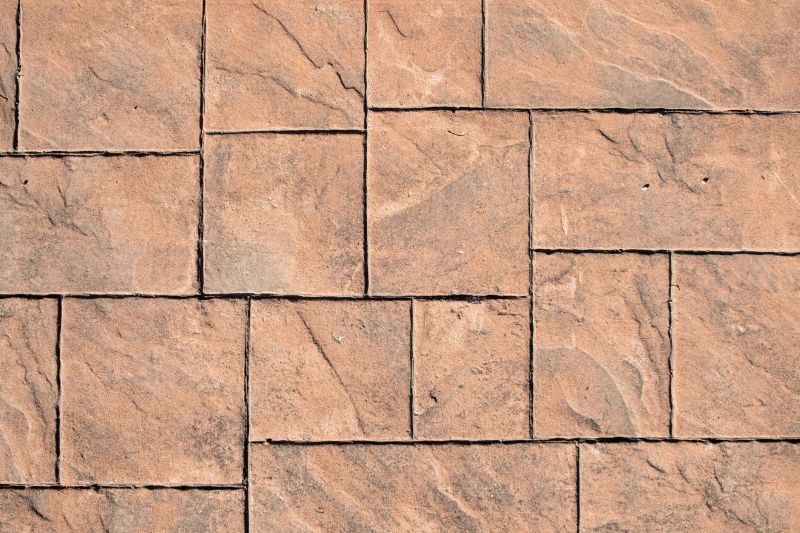
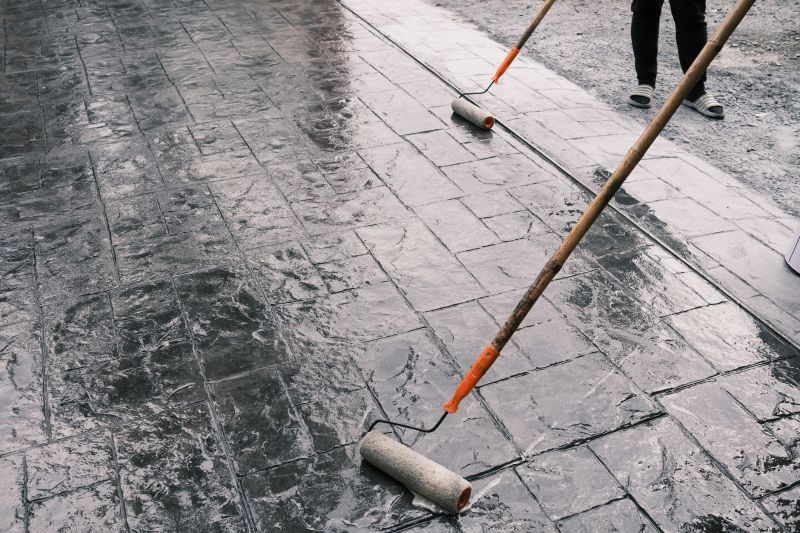
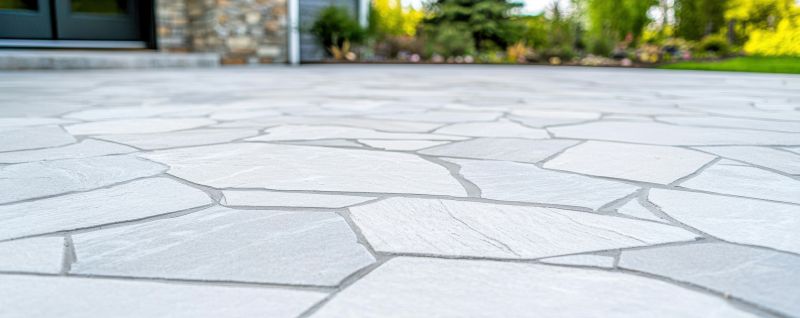
When homeowners search for information on common reasons residential stamped concrete cracks and fades over time, they are typically trying to understand why their decorative concrete surfaces are showing signs of damage or deterioration. Stamped concrete is often chosen for patios, driveways, walkways, and pool decks because of its aesthetic appeal, but like any material, it can develop issues as it ages. People looking into this topic usually want to know what causes these problems so they can decide whether repairs or replacement are necessary. Understanding the underlying reasons helps homeowners plan for maintenance or seek out local contractors who specialize in stamped concrete repair.
This topic relates closely to projects involving the upkeep, repair, or restoration of decorative concrete surfaces. Cracks and fading can impact the visual appeal and structural integrity of a property’s outdoor areas, making it a common concern for homeowners wanting to preserve their investments. Many property owners are interested in solutions that can restore the appearance of stamped concrete without the need for complete replacement. Local service providers who focus on residential stamped concrete repair are well-equipped to evaluate the condition of existing surfaces, identify the causes of damage, and recommend appropriate fixes to extend the lifespan of decorative concrete features.
The types of properties most often affected by these issues include single-family homes with outdoor living spaces, such as patios, walkways, and pool decks. These areas are exposed to the elements, foot traffic, and sometimes heavy loads, which can accelerate wear and tear. Residential properties with older stamped concrete may experience more frequent problems, especially if the concrete was not installed with proper techniques or materials. Homeowners with custom stamped designs or overlays also need to be aware of potential issues that can cause fading or cracking, as these can compromise the visual appeal and durability of their decorative surfaces.
Understanding the common reasons residential stamped concrete cracks and fades over time helps homeowners make informed decisions about maintenance and repairs. Causes such as soil movement, improper installation, exposure to weather conditions, and aging materials are typical factors that lead to damage. Local contractors specializing in stamped concrete repair can assess these issues in detail, offering tailored solutions to address specific problems. By working with experienced service providers, property owners can ensure their decorative concrete surfaces are properly restored and protected against future deterioration, maintaining both beauty and function for years to come.
Concrete resurfacing projects involve applying new finishes over existing surfaces, requiring similar surface prep and repair skills as stamped concrete restoration to address cracks and fading.
Patio and walkway installations demand precise planning and surface leveling, aligning with the skills needed to repair and maintain stamped concrete to prevent cracking and fading.
Driveway repair services focus on addressing foundational issues and surface deterioration, paralleling the techniques used to fix cracks and fading in stamped concrete.
Decorative overlay applications involve surface preparation and finishing techniques that are closely related to the skills used in restoring stamped concrete to prevent future damage.
Concrete sealing and waterproofing help protect surfaces from moisture-related damage, which is a common cause of cracks and fading in stamped concrete over time.
Outdoor kitchen and countertop installations require careful surface preparation and finishing, similar to the work involved in repairing and maintaining stamped concrete surfaces.
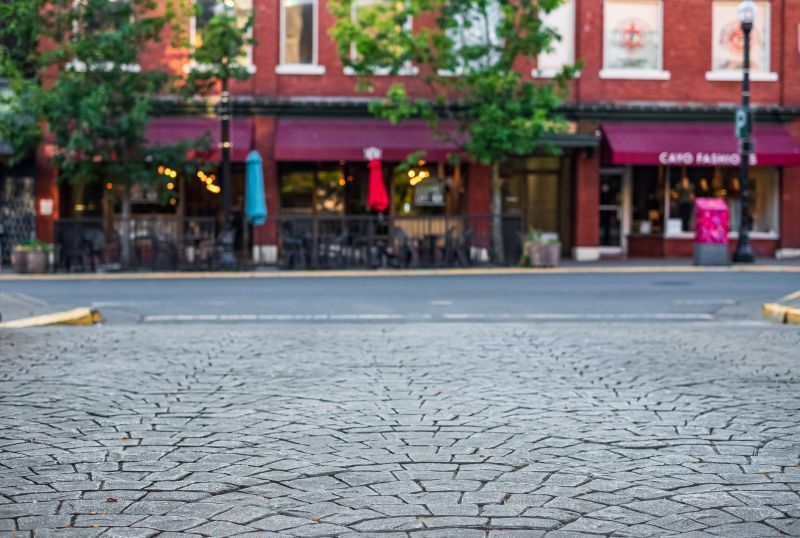
When evaluating residential stamped concrete repair services, it is important to consider the experience of local contractors with similar projects. An experienced service provider will have a history of addressing common issues such as cracking and fading in stamped concrete, ensuring they understand the specific causes and best repair techniques. Homeowners should inquire about the types of projects the contractor has completed and whether they have successfully managed repairs for concrete with similar patterns, finishes, or age. This background can provide confidence that the contractor is familiar with the challenges associated with stamped concrete and can deliver results that help restore its appearance and durability.
Clear written expectations are essential when comparing service providers for stamped concrete repairs. Pros should be able to provide detailed descriptions of their process, including how they plan to address cracks and fading, what materials they will use, and the scope of work involved. Homeowners should seek contractors who communicate openly about what the repair entails, including any limitations or potential for future issues. Having a well-defined plan helps ensure that both parties share a common understanding of the project’s goals and reduces the risk of misunderstandings or unmet expectations.
Reputable references and good communication are key factors in selecting a reliable contractor. Pros with a track record of satisfied clients can often provide references or examples of completed projects similar to the homeowner’s needs. Additionally, effective communication throughout the process - from initial consultation to project completion - allows homeowners to ask questions, express concerns, and receive timely updates. Choosing service providers who prioritize transparency and responsiveness can lead to a smoother repair experience, ultimately helping to address the common reasons residential stamped concrete cracks and fades over time more effectively.
Property owners often search for common reasons residential stamped concrete cracks and fades over time when they are planning practical projects around their homes and businesses. Local pros provide Residential Stamped Concrete Repair services for everyday jobs and straightforward project options.
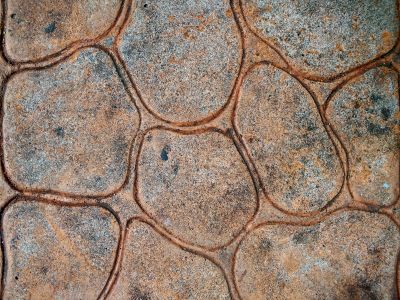
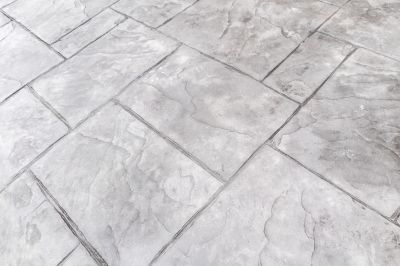
Understanding the common reasons residential stamped concrete cracks and fades over time can help property owners anticipate potential issues and seek timely repairs. Factors such as exposure to fluctuating weather conditions, including temperature swings and moisture changes, can cause the concrete to expand and contract, leading to cracking. Additionally, improper installation techniques or inadequate base preparation can weaken the surface, making it more susceptible to damage as it ages. Homeowners often look into residential stamped concrete repair services when they notice these signs, aiming to restore the appearance and structural integrity of their patios, walkways, or driveways.
Another frequent cause of stamped concrete deterioration is ongoing foot or vehicle traffic, which can wear down the surface and cause fading or surface chipping. Over time, UV rays and environmental elements can also diminish the color vibrancy, resulting in a faded look. Sometimes, the use of incompatible sealers or neglecting regular maintenance accelerates the fading process. Property owners seeking to address these concerns often turn to local contractors experienced in stamped concrete repair, who can assess the specific reasons behind the damage and recommend appropriate solutions to extend the lifespan and enhance the appearance of their stamped concrete surfaces.
What causes cracks in residential stamped concrete over time? Cracks in stamped concrete can result from factors such as soil movement, improper installation, or temperature fluctuations, which local contractors can assess and repair.
Why does stamped concrete tend to fade as it ages? Fading often occurs due to sun exposure, weathering, and use, but experienced service providers can restore its appearance through proper cleaning and sealing.
Can improper mixing of concrete lead to cracking or fading? Yes, incorrect mixing ratios can weaken the concrete, making it more susceptible to cracks and fading, and local repair specialists can address these issues effectively.
How does weather impact the durability of stamped concrete? Extreme weather conditions like freezing or heavy rain can cause damage over time, but local contractors can perform repairs to prevent further deterioration.
What role does maintenance play in preventing cracks and fading? Regular sealing and cleaning help maintain the appearance and integrity of stamped concrete, and service providers can recommend and perform appropriate upkeep.
Understanding concrete mix issues - property owners can work with local contractors to identify if improper mix ratios contributed to cracking or fading, ensuring proper repairs and future durability.
Addressing improper installation practices - consulting local pros about correct stamping and finishing techniques can prevent early deterioration and improve long-term appearance.
Managing exposure to weather elements - property owners can seek advice on protective sealers from local service providers to reduce fading and cracking caused by sun, rain, or freeze-thaw cycles.
Planning for regular maintenance - coordinating with local contractors for routine sealing and inspections helps mitigate common reasons residential stamped concrete cracks and fades over time.
If you are thinking about common reasons residential stamped concrete cracks and fades over time for a property, this guide is meant to help you understand this topic, the typical project types, and how different options might fit your plans.
When you are ready, you can use the quote form on this page to share a few details about your project. From there, local pros can review the basics and follow up with options that match what you have in mind.